Water mains (supply pipe) leak detection
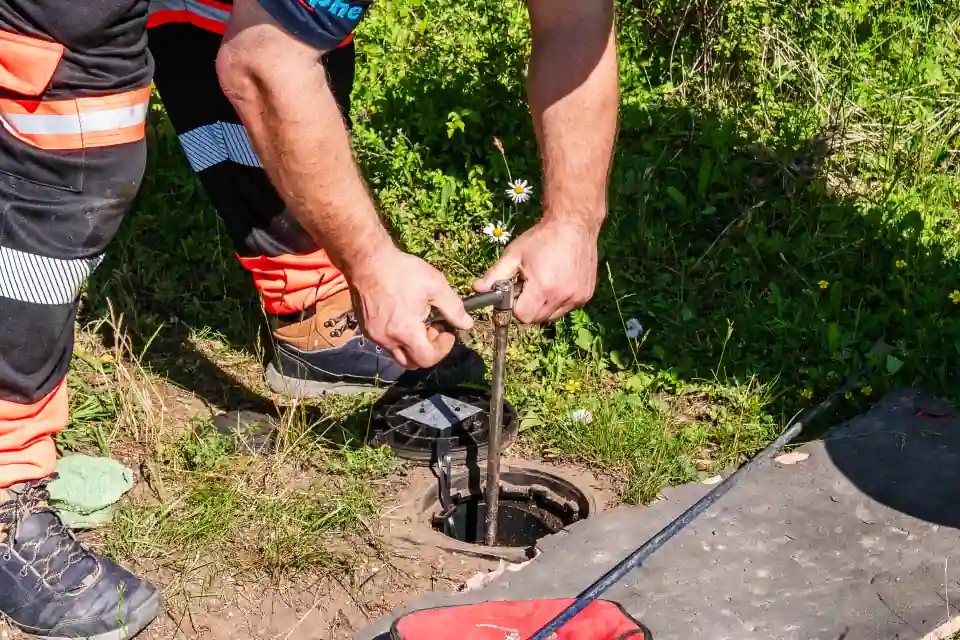
Locates a leak on the underground supply pipe as it runs in from the street, under lawn, paving or a drive, before any of it is dug up.
Equipment: acoustic ground microphones and tracer gas
A leak in a Newbank (G31) home might be under the garden, beneath the kitchen floor or behind the boxing round a toilet. Hamaad Janjua of ADI Leak Detection locates it without digging or cutting and marks the spot first, and if the fault is in the plumbing, the heating or the water mains, he can do the repair too.




The original leak detection company, est. 2011

Hamaad Janjua's working base, Giffnock, is 6.1 miles from Newbank via the A728 on Google Maps' shortest route. Newbank has no statistical zone of its own; in the larger Parkhead West and Barrowfield zone around it, National Records of Scotland counted just over three in four homes as flats in 2017, a type Scottish Water says usually shares a supply pipe.
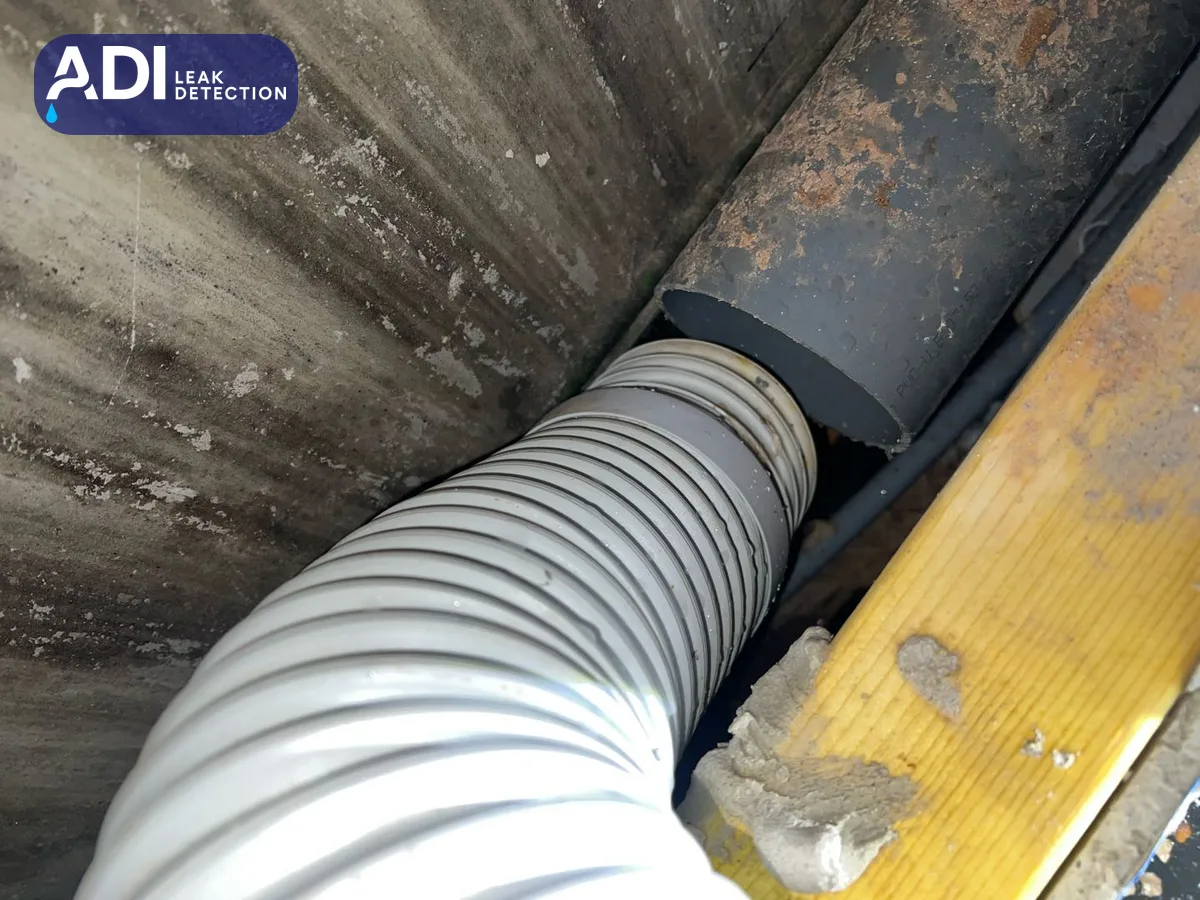
Hamaad's ADI profile names water mains and the plumbing inside people's homes as his particular expertise, two of the places a leak in a Newbank home can hide: the supply pipe under the ground, and the pipes serving the kitchen and bathroom. Alan B.'s Trustpilot review is headed "Waste pipe leak in kitchen", a leak Hamaad located and repaired, though reaching it meant cutting away a section of kitchen flooring.
Newbank (G31) takes its name from an 18th-century estate and lies in Glasgow's East End beside Parkhead, with London Road as its southern boundary and Celtic F.C.'s home ground nearby. It is known for solid 4-in-a-block council houses with full bathrooms and their own gardens, but much of the original housing has been demolished, and new homes, mainly individual houses, replaced it this century. Where a home has a garden, the supply pipe crosses it underground, so a leak can go unseen until the grass stays wet.
ADI's office team talks every Newbank leak over with the customer before an engineer is put in the diary.
Hidden leaks in Newbank homes give themselves away in seven ways, starting outdoors with grass or paving that never dries and moving inside to a boiler that keeps needing topping up, damp under a bathroom, a musty wall, a marked ceiling, damp after rain and a slow drain. Match what you are seeing to a row in the table, which names the investigation for it.
| The sign | What it usually means | The investigation |
|---|---|---|
| A soggy strip of lawn or path on the way to the street | The buried supply pipe leaking somewhere short of the house | Water mains (supply pipe) leak detection |
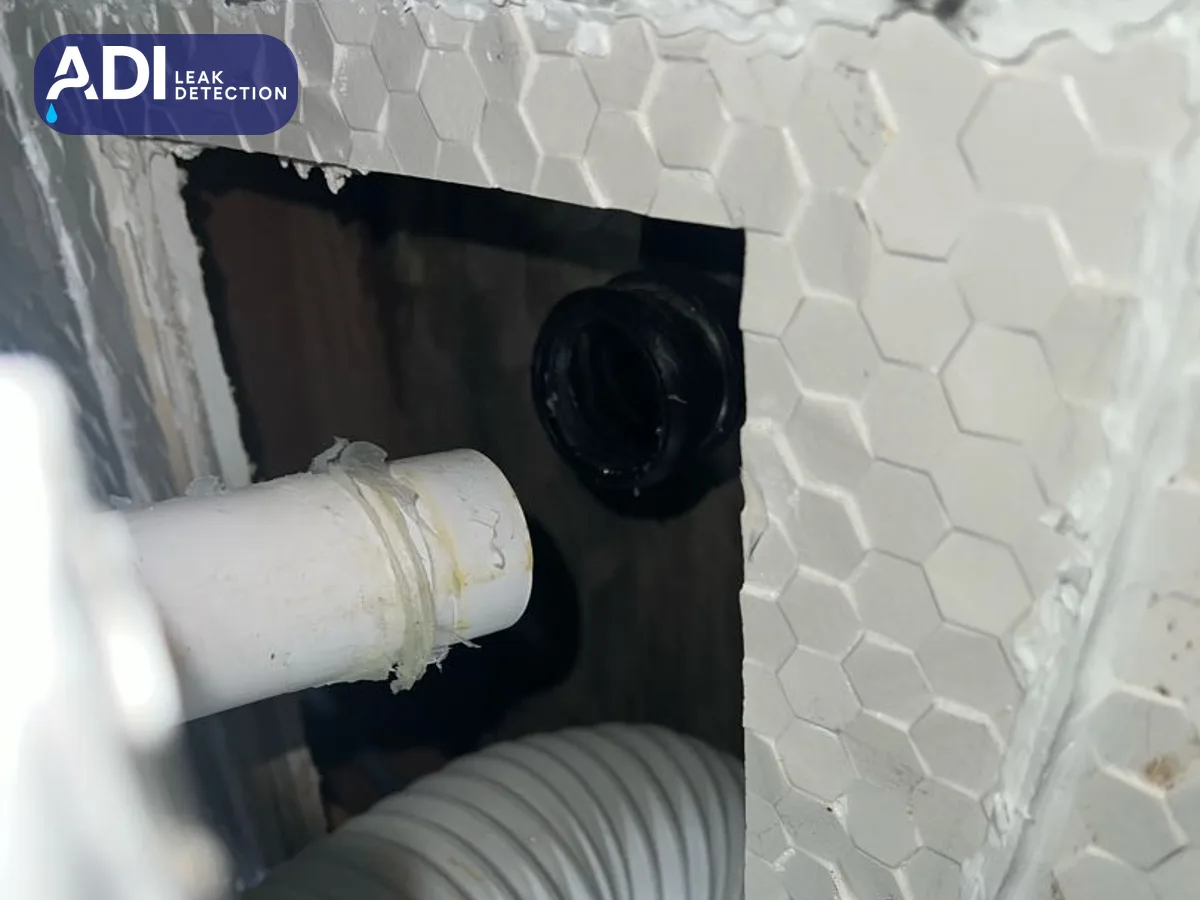
| Damp under the bathroom after the toilet is flushed | A failed seal, a pan connector that has shifted or a leaking waste | Bathroom leak detection |
| A ceiling that sags or shows water marks | Pipes or fittings in the room above, or the roof if the ceiling is upstairs | Ceiling leak detection |
| Topping up the boiler pressure more often than before | Heating water leaking from a radiator or valve, from pipework under the floor, or from an underfloor heating loop | Central heating leak detection |
| A musty smell or new mould on an inside wall | Pipework leaking slowly behind the plaster or in the floor void | Hot and cold water pipe leak detection |
| Upstairs damp after a downpour | Rain finding a gap at a tile, the flashing or a gutter | Roof leak detection |
| Gurgling plugholes and a drain outside that overflows | A drain run cracked or separated below ground | Drainage leak investigation |
These are the seven investigations ADI Leak Detection offers for Newbank houses and flats; each card also lists the primary equipment involved.
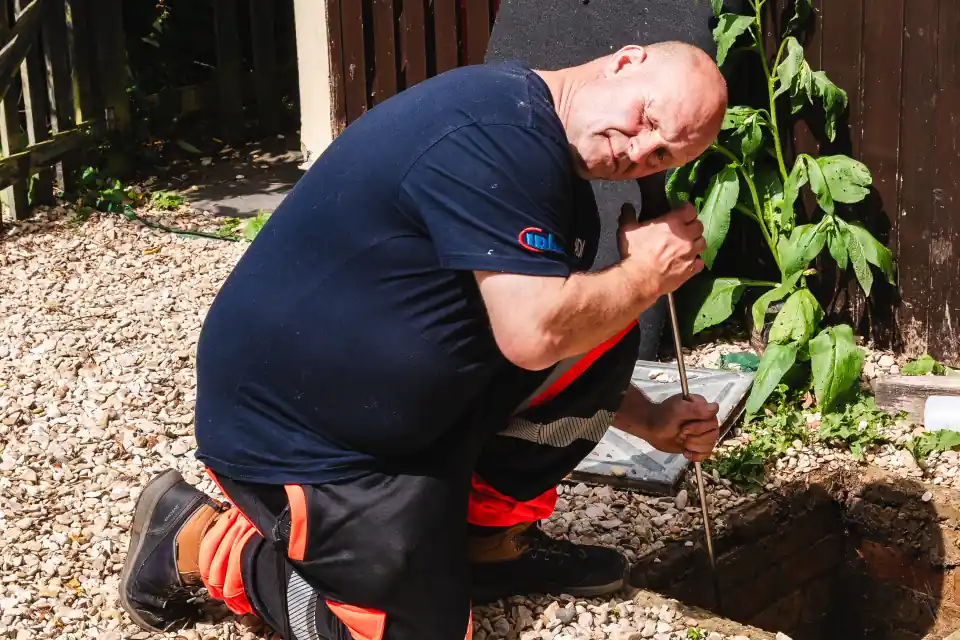
Locates a leak on the underground supply pipe as it runs in from the street, under lawn, paving or a drive, before any of it is dug up.
Equipment: acoustic ground microphones and tracer gas
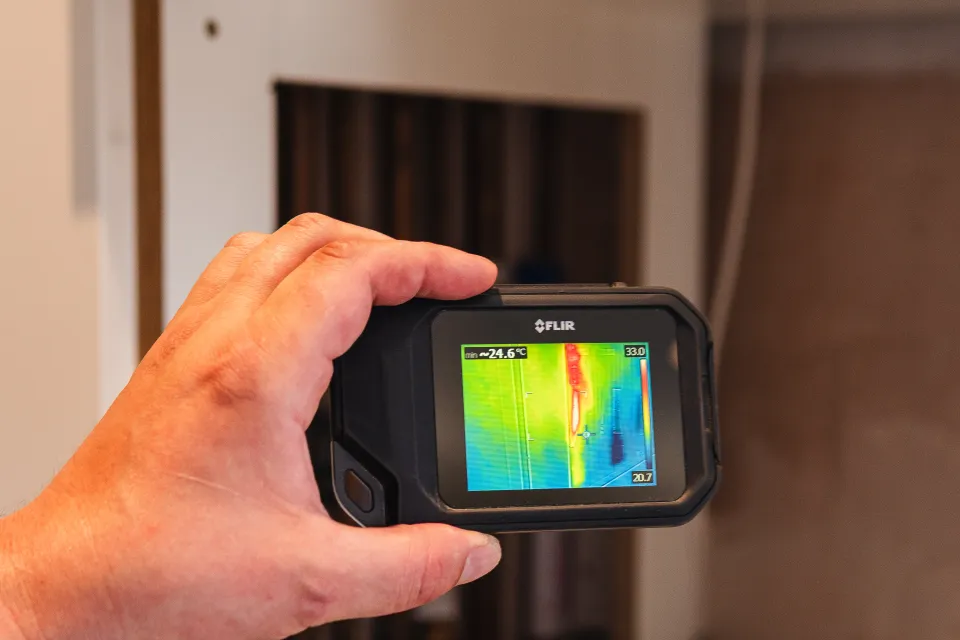
Pressure that will not stay up usually means heating water is escaping; this finds out where, radiator by radiator and along the pipes and any underfloor loops.
Equipment: tracer gas, thermal imaging and pressure testing
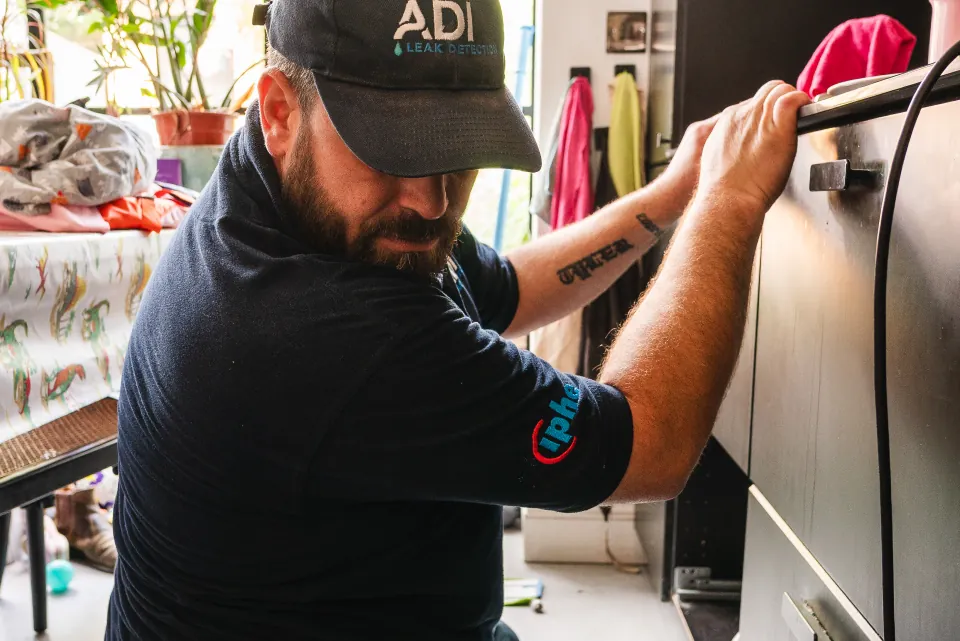
Tests the hot and cold pipes that feed the kitchen and bathroom where they run out of sight, and shows which length is leaking.
Equipment: acoustic listening, thermal imaging, tracer gas and borescope
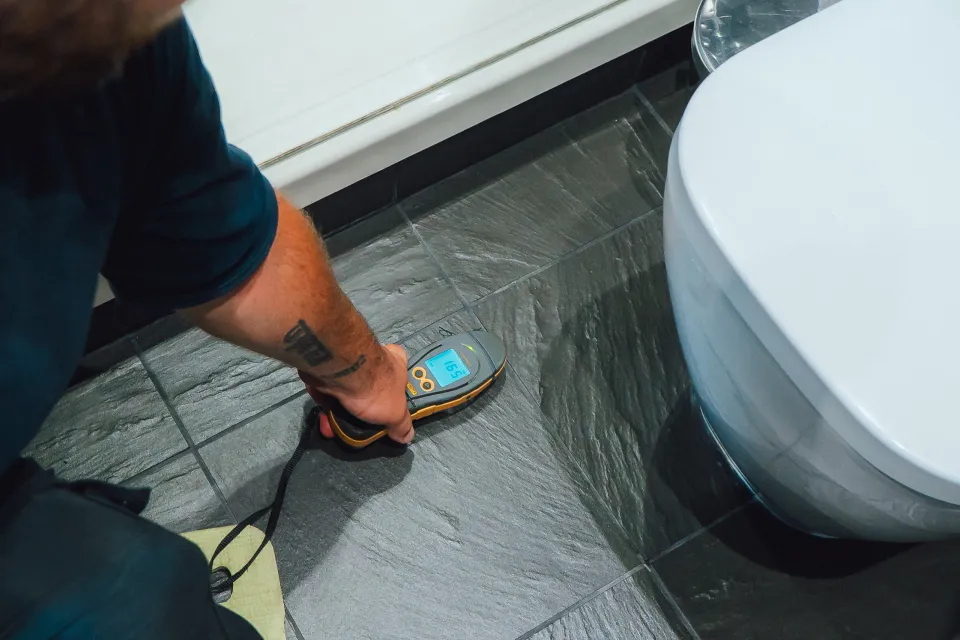
Finds out which bathroom fitting is leaking, from a shower tray or bath seal to a toilet connection or a hidden pipe, before the tiles come up.
Equipment: thermal imaging, moisture meters and borescope
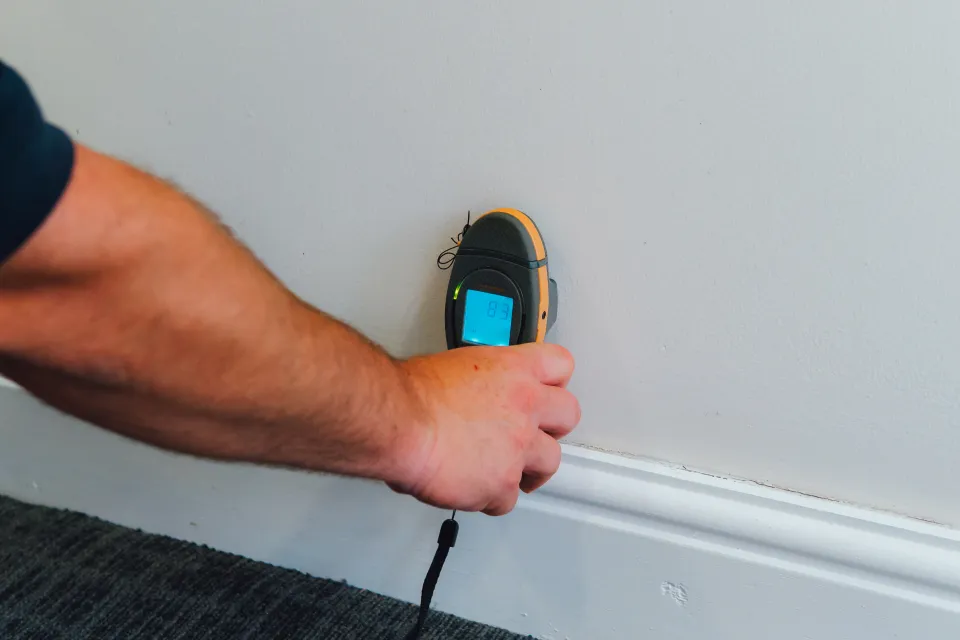
Marks on a Newbank ceiling are followed upwards to the bathroom, pipework or roof letting the water through.
Equipment: thermal imaging, moisture meters and acoustic methods
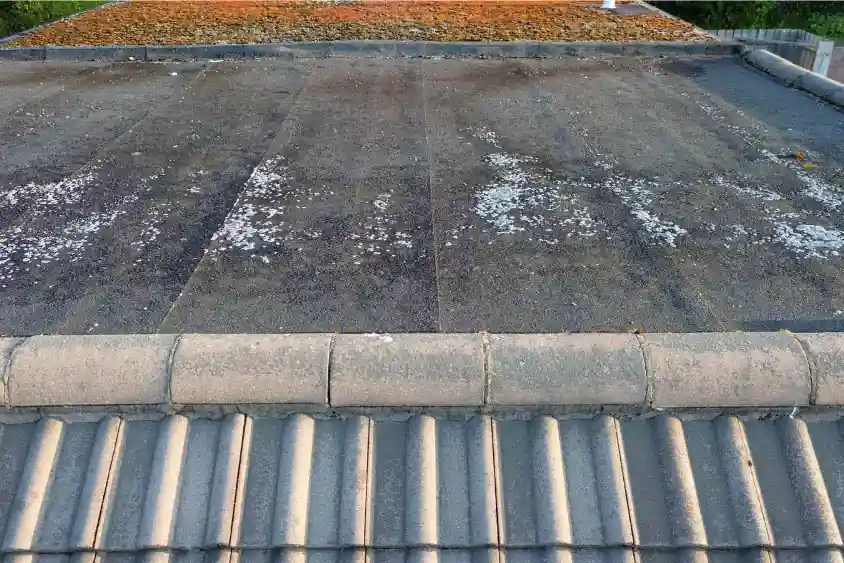
Checks tiles, flashing, gutters and any flat-roof membrane until the place rain gets in is found. ADI Leak Detection reports that place to you so a roofer can repair it.
Equipment: thermal imaging, moisture meters and drone inspection
With a camera inside the pipe, a CCTV drain survey shows where a foul or surface water run is damaged and losing water.
Equipment: CCTV drain survey and acoustic listening
ADI Leak Detection's five non-invasive methods are set out here. In the Mount Vernon case study further down, Hamaad's report lists an endoscope camera, lifting the toilet, repeated flush tests and acoustic equipment.
Under a garden or path, tracer gas fed into the isolated supply pipe rises through the ground and is detected above the leak.
Listening kit hears a leak, and in Mount Vernon it proved the refitted toilet had stopped leaking.
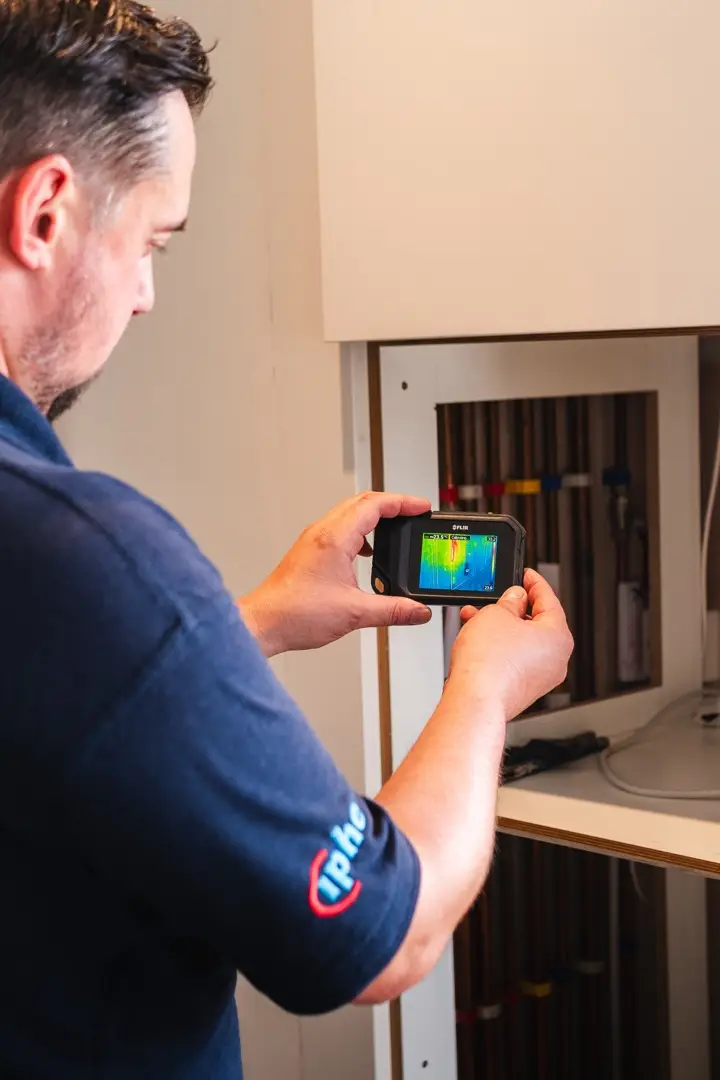
Under a solid floor, a leak on the heating shows up on a thermal camera as warmth where there should be none.
Moisture meters turn damp into numbers, so a leak's trail across a ceiling can be followed to its wettest point.
Before lifting the toilet in Mount Vernon, Hamaad looked behind it with an endoscope camera and saw the damaged flush valve.
When ADI Leak Detection finds a leak on plumbing, central heating or the water mains, it can repair it under guarantee, unless you would rather your own plumber did the work. Roof and structural leaks are the exception: ADI locates them and writes them up, and you then call in a roofer or builder for the repair.
Ask for the repair once the leak is found and Hamaad, having traced it, can carry it out, with ADI's guarantee on the finished work.
If a plumber you already use is doing the repair, they work from the engineer's mark on site and the position given in the report, and you will have had the leak explained beforehand.
Follow the water in from the street and the answer to who pays changes at the boundary stop cock: up to and including it, the main and the communication pipe are Scottish Water's to look after; past it, the supply pipe running to the stop valve inside a Newbank home, underground if there is a garden, is the owner's. Flats, and older or terraced houses, usually have a shared supply pipe, Scottish Water adds.
Trace and access, a cover many buildings insurers include, pays for an escape of water to be traced and for the access work that follows. Your own policy sets the limit, so find it before the visit.
Whoever carries out the investigation writes your report, adding photographs and video, in the format ADI uses for "Trace and Access" and "Escape of Water" insurance claims.
A call to 0141 363 0314 lets the office team pick the right investigation for your Newbank home.
Call 0141 363 0314Trustpilot reviews that name Hamaad, each quoted in full and uncorrected.
Hamaad gave a great service . Informed me fully of placement of leak from waste pipe .Completed the repair which unfortunately could only be accessed by cutting away a section of kitchen flooring . Excellent service overall
Read on TrustpilotHamaad was very thorough in what he was doing and talked me through it all. Speaking to the office was easy, straight through to someone who was very nice and helpful. Would recommend
Read on TrustpilotHamaad visited our house at short notice to investigate a leak in our toilet. His checks were extremely thorough and made some clear recommendations of our next steps.
Read on Trustpilot